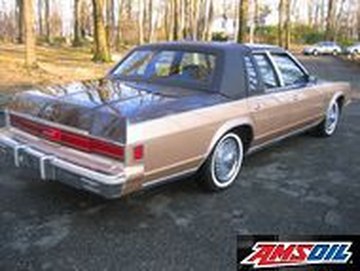
Engine Lubrication and Maintenance for the 1981 Chrysler NEW YORKER 5.2L
Maintaining a vehicle from the early 1980s requires a shift in perspective compared to modern automotive care. For owners of a 1981 Chrysler NEW YORKER equipped with the 5.2L engine, routine service is not just about following a schedule; it is about monitoring the physical condition of aging components and ensuring that lubrication remains effective over time. Because mechanical systems can change in their behavior as they age, consistent observation is the most effective tool for preventing unexpected issues.
Monitoring Fluid Integrity and Potential Leaks
One of the primary tasks during any routine inspection of the 5.2L engine is checking for signs of fluid loss. Over years of thermal cycling—the process of the engine heating up during operation and cooling down when parked—various seals and gaskets may undergo changes in their ability to maintain a tight seal. When performing a visual check, it is useful to look for any evidence of seepage or wetness around the engine block and sealing surfaces.
If you notice dark staining or fresh fluid accumulation in the engine bay, this warrants closer investigation. It is important to remember that a single symptom, such as a small puddle under the vehicle, can be associated with several different components. Rather than attempting to diagnose a specific failed part immediately, an owner should look for the source of the moisture and determine if it is a slow seepage or an active leak. Keeping the engine bay relatively clean can also make these signs much easier to identify before they become significant concerns.
Managing Engine Oil Condition
The quality of the lubricant used in the 5.2L engine plays a vital role in its continued operation. As oil ages, it can undergo chemical changes due to exposure to heat and oxygen. Monitoring the appearance of the oil is a practical way to gauge its health. For example, if the oil appears excessively dark or has a gritty texture, it may indicate that the lubricant is no longer providing the necessary protection or that contaminants are present.
While many modern lubricants are designed with advanced additives to manage deposits and oxidation, the effectiveness of any oil depends heavily on how it is applied to the specific engine. Some high-mileage oil formulations contain additives intended for use in aging engines, including seal-conditioning agents that may help maintain the flexibility of certain components. However, the decision to use conventional, synthetic blend, or full synthetic oil should always be guided by the application-specific information provided for this vehicle.
Observing Potential Warning Signs
Effective maintenance involves being attentive to how the vehicle behaves during and after operation. Changes in the way an engine sounds or smells can serve as early indicators that something requires attention. For instance, a change in mechanical noise—such as new tapping or knocking sounds—should be investigated promptly, as it may indicate changes in the lubrication environment or component wear.
Similarly, if you notice unusual odors during operation, such as a scent of burning oil, this can be associated with lubricant contacting hot surfaces. It is also helpful to monitor any changes in exhaust appearance; while many factors influence exhaust color, certain shifts may warrant an inspection of the engine's internal state. Always approach these symptoms with the understanding that they are indicators for further investigation rather than definitive proof of a specific mechanical failure.
Prioritizing Long-Term Maintenance Decisions
For a 1981 Chrysler NEW YORKER, long-term ownership is most successful when maintenance is based on the actual condition of the vehicle rather than just its age. If you are stepping into ownership without a complete service history, establishing a maintenance baseline is a logical first step. This involves performing a thorough inspection of all fluids, belts (if equipped), and hoses to understand the current state of the vehicle.
Once a baseline is established, owners can prioritize tasks more effectively. For example, addressing an active leak or replacing a worn belt is often more critical than performing cosmetic repairs. Keeping detailed records of every oil change, filter replacement, and observed repair is invaluable. These records allow you to track patterns—such as how quickly the engine consumes oil or how frequently certain components require attention—which helps in making informed decisions about future service needs.
Inspecting Auxiliary Components
Beyond the core lubrication system, other parts of the engine compartment require periodic attention. If equipped, accessible drive belts should be inspected for signs of deterioration such as cracking, glazing, or fraying. Similarly, if the vehicle is equipped with various hoses, checking them for softness, brittleness, or bulging can prevent unexpected failures. Even if these components appear functional, a regular visual check ensures that you are not caught off guard by a component that has reached the end of its service life.
Electrical connections and wiring also benefit from periodic observation. In older vehicles, heat and vibration can occasionally lead to loose or corroded connectors, which may affect how various sensors or accessories function. A clean, dry connection is essential for maintaining the electrical integrity required for reliable engine operation.
Practical Advice for Buying Engine Oil for your 1981 Chrysler NEW YORKER 5.2L
When it is time to replenish the lubricant in your 5.2L engine, the most important step is to match the product to the specific requirements of your application. Rather than relying on general automotive knowledge or assumptions about what a vehicle from 1981 might need, you should always refer to the vehicle-specific oil viscosity and application information already displayed on this webpage.
Before making a purchase, carefully check the product labeling to ensure the oil meets the appropriate quality standards. Depending on your specific needs and the current condition of your engine, you may choose between conventional oils, synthetic blends, or full synthetic options. If your engine shows signs of higher mileage, you might consider formulations specifically designed with seal-conditioning additives. Regardless of the type you select, ensure that the oil is compatible with the application details provided above to maintain the best possible service for your Chrysler.